CAREER NOTES · PLATES 01–07
Becoming a Cosmetic Tattoo Artist
A cosmetic tattoo career is built in layers: foundation theory, careful supervised practice, a portfolio that shows real judgement, and the habit of learning long after the first course ends. These notes set out that path for anyone considering brow work as a profession.
NOTE i
Where the Path Starts
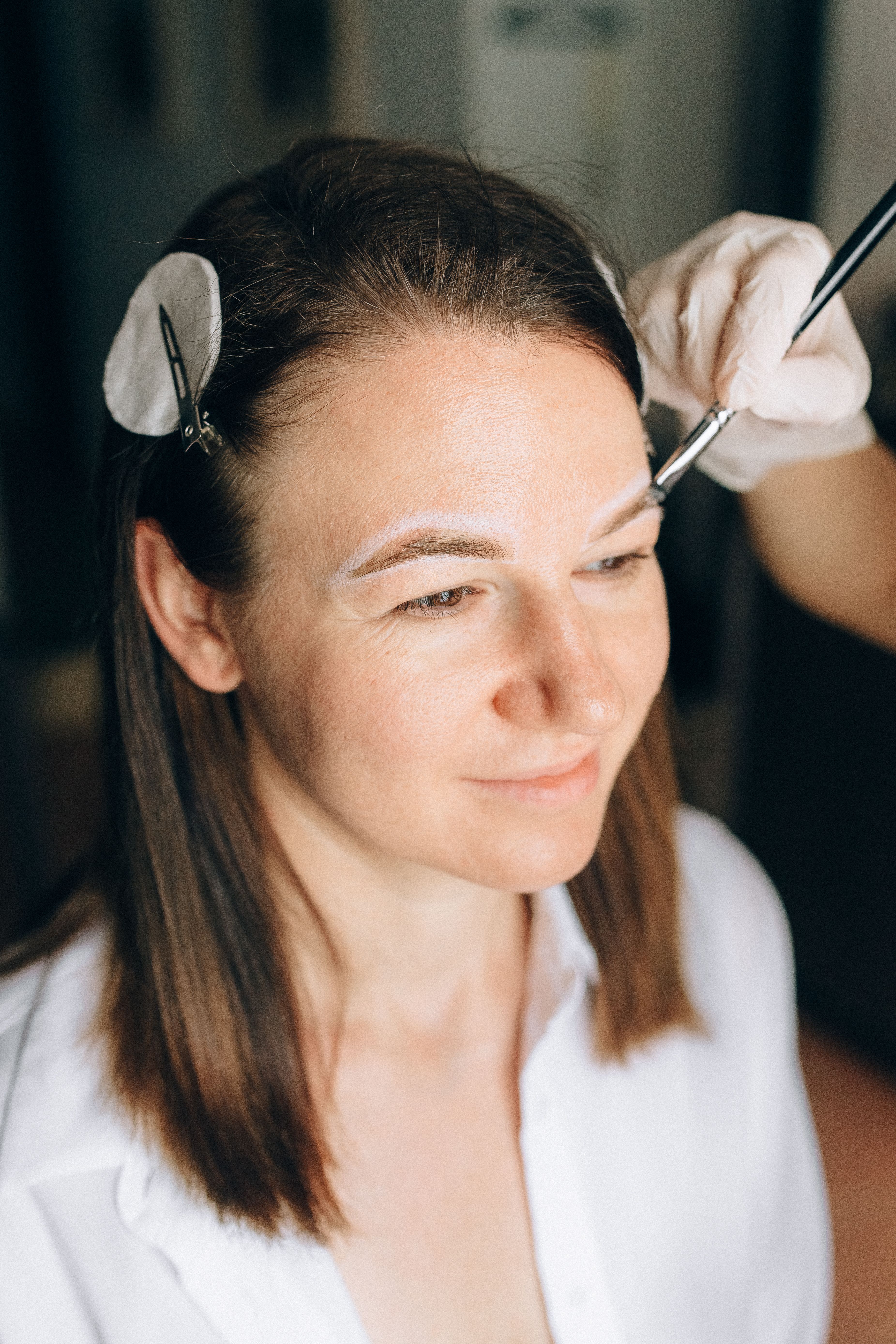
Most people arrive at cosmetic tattoo from a nearby craft. Some already shape and tint brows, some work in makeup or skin, and some come from illustration with a steady hand and no beauty background at all. Any of these can be a starting point. What matters more is patience with detail, comfort working closely with clients, and a willingness to practise one stroke hundreds of times before it goes near skin.
Before choosing a course, look into the hygiene, registration and premises requirements that apply where you plan to work in Australia. They differ between states, territories and local councils, so check with your local authority. The Cosmetic Tattoo Training guide explains what a training day usually involves.
NOTE ii
Four Stages of a Learning Pathway
01
Foundations
Brow mapping, skin structure, colour theory and hygiene come before technique. The Brow Mapping Guide is a good first read.
02
Supervised Practice
Stroke drills on practice skins, then work under a trainer’s eye. Direct feedback at this stage corrects habits before they set.
03
First Portfolio
Consistent, well-lit records of your own work: the mapping, the fresh result and the healed result, each with client consent.
04
Ongoing Development
Adding shaded or combination techniques and refining your technique through Advanced Brow Training.
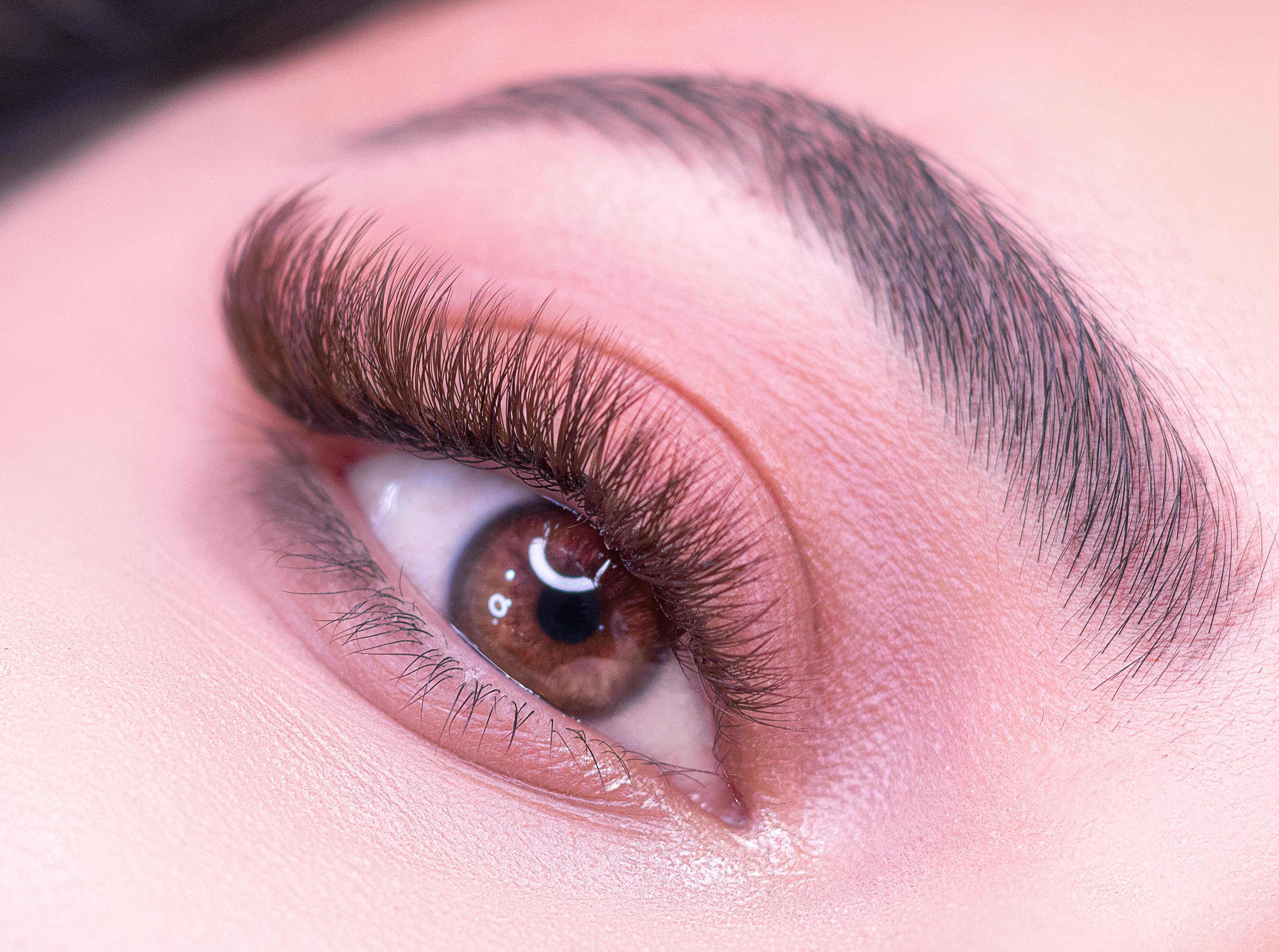
Reference photo: brow and eye detail.
NOTE iii
Building a Portfolio That Shows Judgement
A portfolio does more than show pretty brows. It shows how you think. Prospective clients and future employers look for consistency and for choices that suit each face.
See how student results are presented in the Student Work Gallery.
NOTE iv
Choosing Your First Technique
Many artists start with one hair-stroke or shaded technique, then add others. Choosing a Brow Course compares them in depth.
For longer-term growth, continue with the Brow Artist Career Guide. If you have a question about the courses, send it through the contact form.