REFERENCE NOTES · PLATES 01–07
Choosing a Brow Course
Feathering, microblading, nano, powder, combination: brow training uses a lot of overlapping names. Before you compare courses, get clear on which technique you want to learn, where your skills are now and what a good provider should be able to tell you before you enrol.
SCOPE OF THIS NOTE
Hair-stroke, shaded, complete
New artist or practising artist
Before you enrol
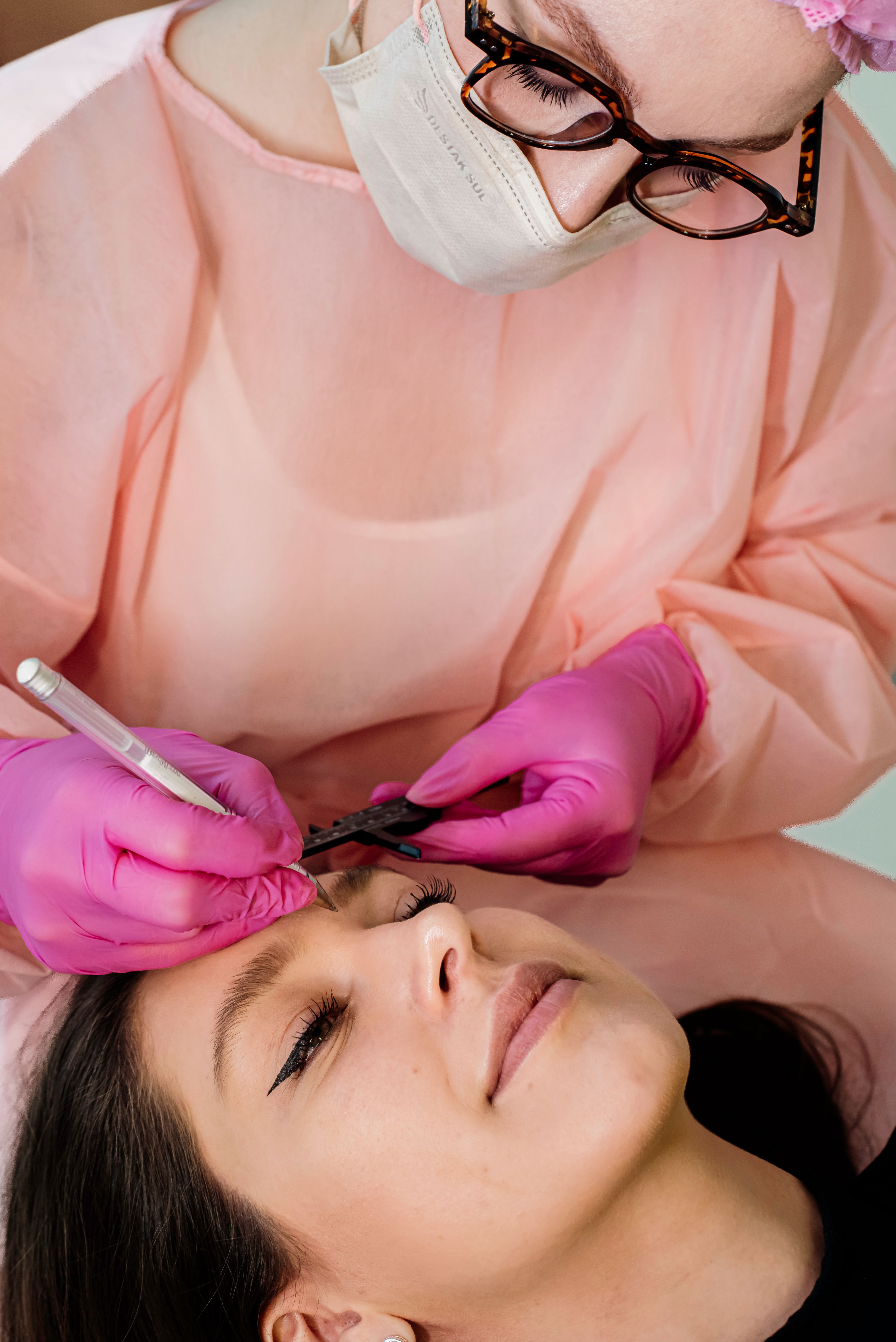
NOTE I · TECHNIQUE FAMILIES
Start With the Brow You Want to Create
Every brow course teaches one of three kinds of result: brows drawn as fine hairs, brows built from soft shading, or a broader grounding that covers both. Choose the family first. Picking the course name comes second. The full list is on the Courses hub.
PLATES 01 · 02 · 03
Hair-Stroke Brows
Individual strokes that follow the way natural hair grows. Feathering and microblading draw them by hand. Nano brows use a machine and a fine needle.
PLATES 04 · 05
Shaded Brows
Pigment is built up into soft tone, from a light front to a defined tail. Combination brows put hair strokes at the front and shading through the body of the brow.
PLATES 06 · 07
Complete & Advanced
A broad grounding in cosmetic tattoo for the brow, or further training for working artists who want to refine their technique and results.
NOTE II · YOUR STARTING POINT
Match the Course to Where You Are Now
New to brow artistry
Look for a course that teaches the foundations: face shape, brow mapping, reading skin and controlling stroke direction. The Cosmetic Tattoo Eyebrow Course gives a broad start, and feathering suits artists drawn to natural hair strokes.
Already practising
Add a technique you don’t offer yet, such as powder/ombre or nano brows, or work on your existing skills with Advanced Brow Training.
Torn between two techniques
Read Nano Brows vs Microblading and the Powder and Ombre Brows guide, then look at the Student Work Gallery to see which finish you want to create.
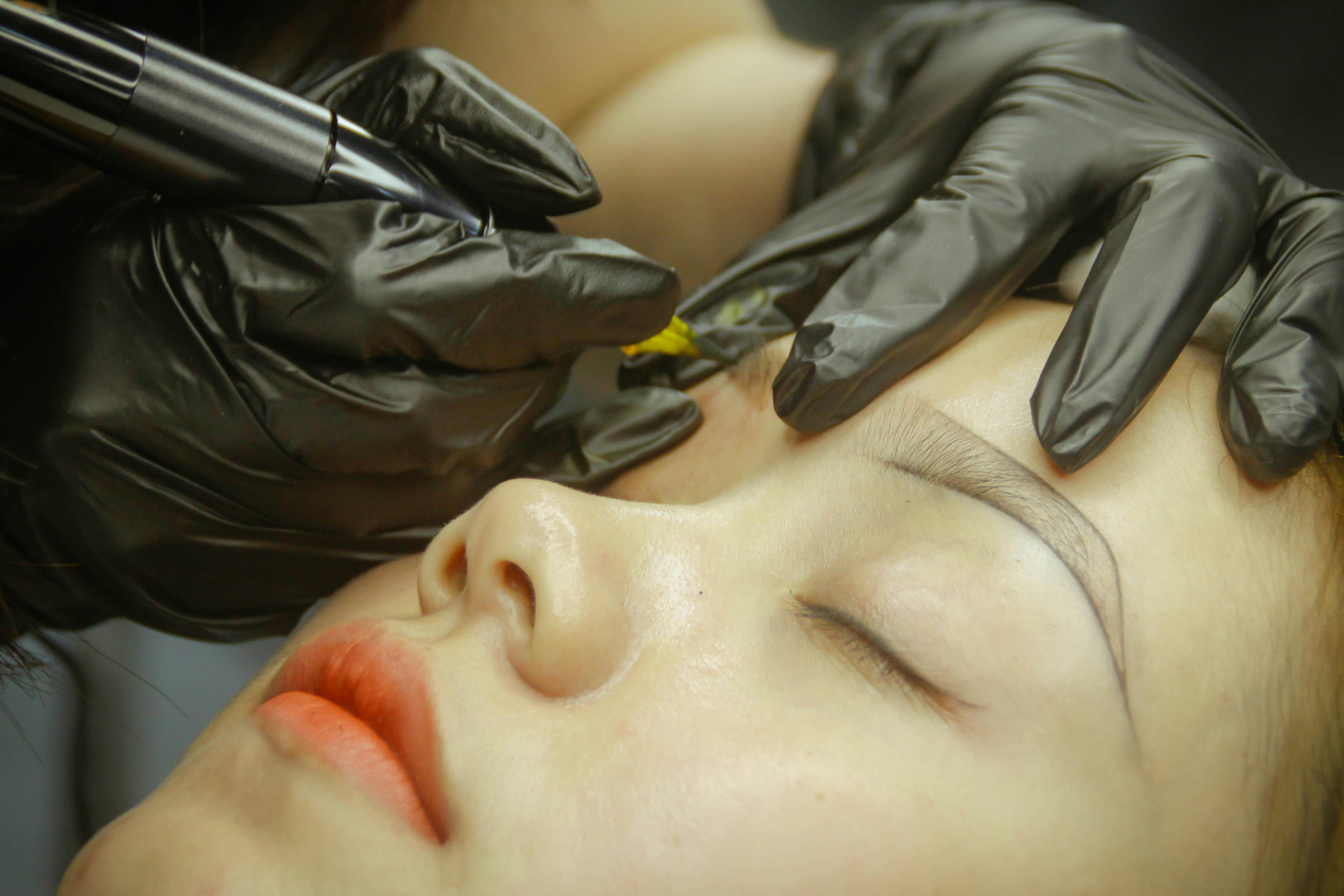
NOTE III
Five Questions to Ask Any Provider
01
What will I be qualified to do afterwards?
Ask what certificate is issued, whether the course is accredited and by whom, and check the rules for cosmetic tattoo in your own state or territory.
02
How much of the training is hands-on?
Find out how much time goes to theory, practice skin and supervised live models, and how feedback is given along the way.
03
Who teaches, and how?
Ask about the trainer’s approach to correcting technique. Ours is explained on Our Trainers.
04
What is included in the fee?
Get the inclusions in writing, such as the kit, practice materials and course notes, so you can compare courses fairly.
05
What support is there after the course?
Your first solo clients matter. Ask whether you can send in your work for review, and what further training is available. The Brow Artist Career Guide covers this next stage.
Want to know where a brow career can lead? Read Becoming a Cosmetic Tattoo Artist. For anything else, contact the academy.